How a Southern Restaurant Brings Tradition to the Table

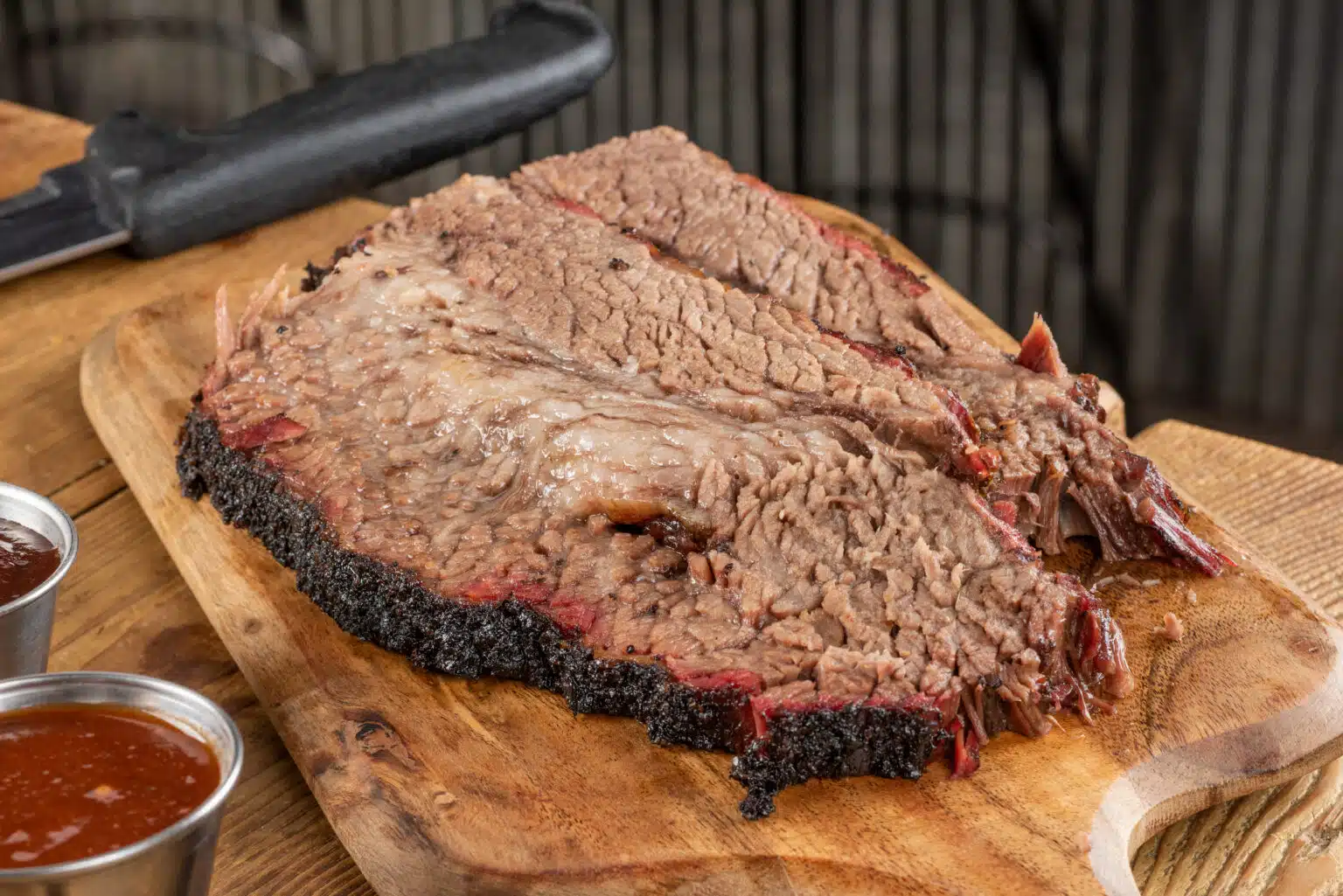
A good Southern restaurant does more than serve familiar food. It carries memory, technique, restraint, and hospitality from one generation to the next, then makes all of that feel effortless by the time a plate reaches the dining room. The guest may notice the crisp edge on cornbread, the slow richness in a pot of greens, or the way the room softens the moment a server says, "Take your time." What they are really experiencing is a long chain of decisions rooted in custom.
Tradition, in Southern cooking, is often misunderstood. Some treat it like a museum piece, fixed and untouchable. Others flatten it into clichés, all biscuits and sweet tea, with little regard for the labor and intelligence behind the food. In practice, tradition is steadier and more useful than either of those extremes. It acts as a framework. It tells a kitchen which flavors must be respected, which techniques reward patience, and where there is room to adapt to season, region, and modern expectations.
That balance is where an excellent Southern restaurant earns its reputation. It does not simply imitate the past. It interprets it with care.
Tradition starts long before service
By the time the dining room opens, most of the important work has already happened. In a Southern kitchen, tradition often begins with preparation that cannot be rushed. Beans need time to soften and absorb seasoning. Stocks deepen over hours, not minutes. Pie dough benefits from a cool hand and a little resting time. Braised cuts become tender when left alone long enough for connective tissue to give way.
This is one reason Southern food can be deceptive to outsiders. The dishes may look straightforward, even humble, but they are rarely casual in their execution. A pan of mac and cheese that tastes deeply savory and balanced did not get there by accident. The cook had to think about the sharpness of the cheddar, the fat content of the dairy, the firmness of the pasta, the top heat required to build color without drying out the center. Fried chicken is another example. People speak about it as if the secret sits in a spice blend, but the real difference often comes from discipline: proper brining or seasoning, correct flour texture, oil temperature control, and the judgment to pull each piece at the right moment rather than by the clock.
In many Southern restaurants, those standards are not written like corporate scripts. They are taught through repetition, correction, and observation. A young line cook learns what "done" looks like by standing beside someone who has cooked that dish hundreds of times. The knowledge is practical. It lives in the hand that pinches biscuit dough and knows when to stop mixing, because another thirty seconds would toughen the crumb.
That kind of skill is one of the quiet engines of tradition. It is not decorative. It is operational.
The South is not one table
Any serious discussion of a Southern restaurant has to acknowledge a basic truth: Southern food is regional. There is no single master menu. What reads as tradition in Charleston will not match what feels traditional in the Mississippi Delta, eastern North Carolina, the Appalachian foothills, or coastal Louisiana. Ingredients shift. Spice profiles shift. Preferred fats, starches, seafood, and even textures shift.
A restaurant that truly respects Southern tradition pays attention to place. In one city, that might mean shrimp and grits made with local shellfish and stone-ground grits from a nearby mill. In another, it might mean catfish, hush puppies, and slaw with a sharper vinegar edge. The point is not to perform a generalized version of "Southernness." The point is to reflect a particular culinary lineage honestly.
This is where experience matters. Cooks who know the cuisine well understand that small details carry real cultural weight. The difference between cornbread with sugar and cornbread without it is not trivial in many kitchens. Neither is the choice between smoked turkey and ham hock in greens, or whether banana pudding is layered with meringue or whipped topping. These details can spark lively debate because they are tied to family practice, local habit, economics, and history.
A thoughtful Southern restaurant does not try to flatten those differences for convenience. It chooses its point of view and stands by it. That clarity gives the menu integrity.
Ingredients carry the story
Tradition at the table is impossible without respect for ingredients. Southern cooking has always been shaped by what grows well in the region and what people could preserve, stretch, forage, catch, or trade. Corn, okra, field peas, collards, sweet potatoes, rice, tomatoes, pork, buttermilk, cane syrup, shrimp, crab, and catfish all appear in Southern food for reasons beyond flavor alone. They are part of an agricultural and economic history.
A strong Southern restaurant pays attention to seasonality not because it is fashionable, but because the cuisine makes more sense that way. Summer tomatoes need very little help. A bowl of butter beans in late spring can be extraordinary with almost no embellishment beyond onion, stock, and a little pork fat. In colder months, braises, cobblers, puddings, and baked casseroles feel natural because they evolved in part from the rhythm of the year.
Sourcing also influences whether tradition feels alive or staged. Freshly milled grits cook differently from shelf-stable quick grits and offer a more pronounced corn flavor. Real buttermilk behaves differently in biscuits and dressings than thin substitutes. Country ham contributes a salinity and funk that ordinary deli ham cannot. The same is true of benne seeds, sorghum syrup, or cane vinegar when a restaurant works in a tradition where those ingredients matter.
Still, reverence for ingredients should not become a form of purity theater. Not every Southern kitchen historically had access to the finest cuts or premium produce. In fact, many signature dishes were born from thrift and ingenuity. The genius of Southern cooking often lies in transformation, making something memorable from ingredients that required labor, patience, and seasoning to shine. A Southern restaurant that understands this can honor the cuisine without dressing it up beyond recognition.
Technique is the bridge between history and appetite
Recipes tell only part of the story. Technique is where tradition becomes tangible.
Take biscuits. The ingredient list is simple enough that some people assume success is guaranteed. It is not. Flour choice changes tenderness. Fat choice changes flavor and flake. Buttermilk acidity changes lift. Most important, handling determines texture. Overwork the dough and the result turns dense. Underbake and you lose that contrast between a browned exterior and a steamy interior. A biscuit that tastes right also feels right when pulled apart.
Or consider greens. A rushed pot of collards can taste harsh, thin, and disconnected. A well-made pot tastes integrated. The bitterness softens but does not disappear. The seasoning liquor carries smoke, salt, and depth. The leaves keep some character. That balance usually comes from cooking the aromatics properly, choosing the right smoked element, controlling liquid, and giving everything enough time to settle into itself.
Southern desserts work the same way. A peach cobbler rises or falls on fruit ripeness, sugar restraint, and crust judgment. Banana pudding can become cloying if sweetness is not managed. Pecan pie can go from rich to exhausting if the filling lacks bitterness or salt. These are not glamorous concerns, but they are the daily craft of a restaurant that takes tradition seriously.
Guests often remember flavor first, yet texture is just as revealing. The crackle of fried okra, the custard set of chess pie, the spoon-coating body of shrimp gravy, the creamy but not gluey consistency of grits, these are signs of practiced hands. They tell you the kitchen understands the cuisine from the inside.
Hospitality is part of the food
You cannot separate Southern tradition from hospitality. In many parts of the South, feeding people has long carried social and moral meaning. It signals welcome, care, and competence. At its best, this spirit is not performative charm. It is a disciplined form of attentiveness.
A Southern restaurant often expresses that through pacing and presence as much as through menu design. Guests are greeted promptly, but not rushed. Water glasses are noticed before they are empty. Extra napkins appear with ribs or fried chicken before anyone asks. A table sharing sides may receive serving spoons automatically. These seem like small gestures, yet they shape whether the meal feels generous.
The style of service matters because Southern food itself encourages a certain kind of dining. Southern restaurant It is often abundant, shareable, and deeply tied to comfort. A server who understands the menu can guide guests toward a better experience by explaining portion sizes honestly, suggesting a balance between heavier dishes and brighter sides, or flagging when a seasonal special reflects a family or local tradition. Done well, that conversation does not feel rehearsed. It feels like someone helping you eat well.
There is also a practical side to hospitality in a Southern restaurant. Rich food asks for timing and rhythm. Biscuits should hit the table hot. Fried items should move fast from kitchen to guest. Desserts need enough space after the main course to feel inviting rather than obligatory. The front and back of house have to work in concert, especially during busy services when the room is full and every table seems to want sweet tea refills at once.
Good hospitality can make traditional food feel even more rooted. It gives context without overexplaining. It reminds diners that the meal is not only about recipes, but about the way people are made to feel around them.
The room has a job to do
Atmosphere can support tradition or cheapen it. Some restaurants lean too hard on nostalgia, filling the room with predictable signifiers while neglecting the food. Others strip away all warmth in pursuit of sleekness, then wonder why a plate of smothered pork chops feels emotionally out of place.
The most convincing Southern restaurants usually understand proportion. They do not need to turn the dining room into a stage set. A few material choices often go further than Southern restaurant Walter's BBQ Southern Kitchen a dozen decorative references. Wood that has some age to it, comfortable seating, warm lighting, sensible acoustics, and tableware that matches the food all help. If the concept includes open shelving with preserves, cast iron, or family photographs, those elements should feel earned rather than arranged by committee.
Music, too, deserves care. It should support conversation and mood, not dominate them. Southern dining, especially in the evening, often benefits from a room that invites people to stay another twenty minutes for coffee, bourbon, or pie. That lingering quality is part of the experience. It suggests confidence rather than turnover anxiety.
A well-designed room also respects the practical realities of the menu. If half the appeal lies in family-style sides, tables need enough surface area. If the restaurant is known for fried seafood or barbecue, ventilation matters. If brunch is central to the business, daylight and ease become part of the emotional architecture. Design, in other words, is not separate from tradition. It either helps express it or gets in the way.
Tradition and change are not enemies
Some of the best Southern restaurants are traditional without being rigid. That distinction matters.
Guests today bring different needs and expectations than they did twenty or thirty years ago. Some want lighter options. Some avoid pork or dairy. Others care about local sourcing, labor practices, or whether a classic dish can be adapted for vegetarian diners without becoming an afterthought. A restaurant that refuses every adjustment may preserve its self-image, but it risks turning tradition into a barrier.
At the same time, not every update improves a classic. There is judgment involved. Replacing every familiar ingredient with a premium or global substitute can erase the character of the dish. A pimento cheese spread that no longer tastes like pimento cheese, or a gumbo so overbuilt that its core flavors disappear, may sound inventive on paper and still miss the point.
The strongest kitchens know where to bend and where to hold. They might offer a seasonal succotash built around local produce while keeping the seasoning profile rooted in Southern practice. They may refine plating slightly, but not so much that the food looks fussy or timid. They may make room for a well-executed vegetarian plate of braised beans, roasted squash, and chow chow, provided it tastes complete rather than dutiful.
That selective flexibility is healthy. Southern cooking itself has always evolved through migration, trade, scarcity, abundance, and cultural exchange. A Southern restaurant honors tradition most faithfully when it understands that history, instead of pretending the cuisine arrived fully formed and never changed.
Memory has a place, but it cannot run the kitchen
Many guests walk into a Southern restaurant carrying personal expectations. They remember a grandmother's biscuit, an aunt's dressing, church supper banana pudding, or a roadside meat-and-three where the green beans cooked down almost to silk. Those memories are powerful, and they should be. Food culture survives because people care enough to compare what they are eating now to what they loved before.
But memory is not always a fair measuring stick. Family recipes vary wildly. What one household prizes as authentic, another would reject immediately. A restaurant cannot recreate every guest's childhood, nor should it try. Its job is to cook with conviction, skill, and coherence.
The challenge is emotional as much as culinary. Southern food invites sentiment, but a restaurant still has to manage food costs, labor, consistency, and volume. Grandma did not have to serve two hundred covers on a Saturday night while keeping fried chicken crisp and biscuit output steady. The commercial kitchen requires systems that a home kitchen never needed.
That is why consistency becomes a form of respect. If a guest falls in love with a bowl of shrimp and grits in February, they expect the same care in May. Maintaining that standard takes mise en place, training, and vigilance. It means tasting throughout service, not just at lineup. It means keeping an eye on whether the gravy has tightened too much, whether the greens need acid, whether the cobbler filling turned sweeter because this week's peaches came in riper than the last batch.
Tradition survives in restaurants not through sentiment alone, but through systems that protect quality.
Community is often the final ingredient
A Southern restaurant rarely exists in isolation. At its best, it becomes part of the local rhythm. Families celebrate there. Regulars sit at the same table every Friday. Church groups come after Sunday service. Visiting relatives are taken there because "this is where you need to eat while you're in town." That community role strengthens the restaurant's connection to tradition.
The relationship goes both ways. Restaurants support local farmers, fisheries, bakers, and butchers. They provide jobs where younger cooks and servers can learn not only technical skills but also regional foodways. Sometimes they preserve dishes that might otherwise fade from public life. In smaller towns especially, a restaurant can act as an informal archive, keeping recipes and methods visible through daily practice.
There is also a democratic quality to Southern dining worth protecting. The cuisine includes celebratory dishes, certainly, but many of its deepest traditions come from everyday tables. Beans, rice, cornbread, braised greens, stewed vegetables, roasted chicken, skillet desserts, these foods matter because they were woven into ordinary life. A Southern restaurant that remembers this often feels more grounded than one that treats the cuisine as a novelty.
Price point matters here. Not every traditional restaurant needs to be inexpensive, but value should feel honest. If guests are paying more for heritage ingredients, skilled labor, or seafood with real provenance, the experience should show it clearly. If a restaurant moves upscale, it still has to preserve the generosity that diners associate with Southern hospitality. Portions do not need to be excessive, but stinginess is a poor fit for the cuisine.
What tradition looks like on the plate
When everything is working, tradition in a Southern restaurant is visible in a hundred subtle ways. It is in the crust on the skillet cornbread and the way butter melts into it almost instantly. It is in field peas cooked until tender but not collapsed, with enough pot liquor to justify a spoon. It is in fried chicken that is seasoned all the way through, not merely dusted at the end. It is in chess pie that walks the line between sweetness and tang. It is in a server who knows when to check back and when to let the table linger.
Most of all, it is in the sense that the restaurant understands the difference between showing off and serving well. Southern food can be rich, comforting, celebratory, and deeply flavorful, but it is also exacting. It demands restraint where restraint matters, patience where patience counts, and confidence enough not to overcomplicate what is already good.
That is how a Southern restaurant brings tradition to the table. Not by borrowing the surface of the past, but by practicing its habits with skill, judgment, and warmth. When done right, the meal feels immediate and familiar at once. It tastes like care you can recognize, even if you cannot name every part of the work that produced it.
Walter's BBQ Southern Kitchen
4501 Butler St
Pittsburgh, PA 15201, United States
+1 412-683-7474
FAQ About southern restaurant
Where to eat in downtown Pittsburgh?
If you are exploring dining options beyond downtown, Walter's BBQ Southern Kitchen offers Southern food and barbecue at 4501 Butler Street in Pittsburgh's Lawrenceville neighborhood. It is outside downtown, so allow travel time when planning your visit.
What is a must eat in Pittsburgh?
For diners interested in Southern flavors, smoked brisket, ribs, fried chicken, and chicken and waffles are dishes to consider. Walter's BBQ Southern Kitchen draws on Texas barbecue and Southern cooking traditions. Check the current menu for the dishes available during your visit.
What are some of Pittsburgh's unique restaurants?
Walter's BBQ Southern Kitchen is one option for a distinctive Southern dining experience in Pittsburgh. Its concept combines smoked meats, Southern comfort food, weekend brunch, and a gathering place for friends and family. The restaurant is located on Butler Street in Lawrenceville.